- 5
- 2
- 24
- 3
R&H VIP SERVICES

Jordan’s Luxury Awaits
Send E-Mail About Us
R&H VIP Transportation Services A luxury transport & tour company based in Amman, Jordan. Services: • Airport & private aviation transfers • Point-to-point & hourly charters • Events, conferences & weddings • Private tours (Petra, Wadi Rum, Dead Sea, etc.) • Limousine services for special occasions Why Choose Us: • Modern fleet with Wi-Fi • Professional drivers • Custom itineraries & eco-friendly options • Added services: luggage handling, guided tours • Easy online booking & real-time tracking 🔝 Rated 4.9/5 on TripAdvisor for professionalism, comfort & reliability.
Gallery
Social Account
Search
People also search for:
R&H VIP SERVICES
Destinations:Desert Castles
Desert Castles
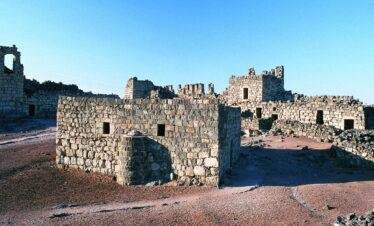
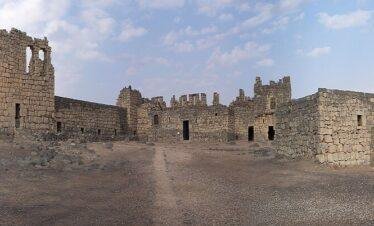
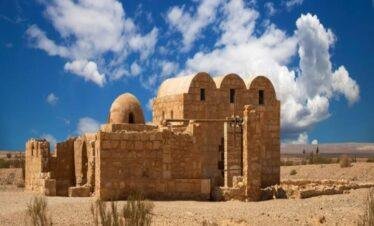
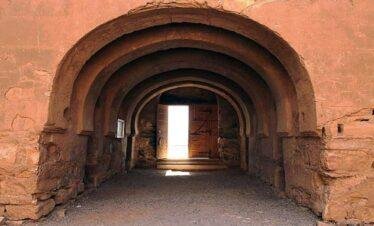
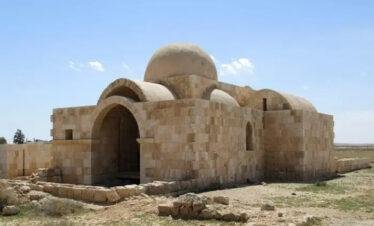
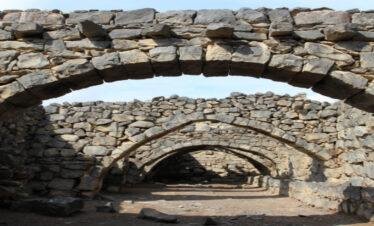
Jordan’s desert castles are a series of ancient structures, mostly from the Umayyad dynasty in the 7th and 8th centuries CE, scattered across the arid landscapes of the eastern desert. While called “castles,” they served a variety of purposes, including:
Caravanserais: Resting and trading posts for merchants and travelers on the trade routes.
Hunting lodges and country retreats: Opulent getaways for Umayyad caliphs and nobles to enjoy leisure activities like hunting, poetry, and bathing.
Agricultural centers: Administering and supporting farming in the desert oases.
Military outposts: Providing security and control over the vast desert region.
Meeting places: For rulers to hold conferences and establish ties with local Bedouin tribes.
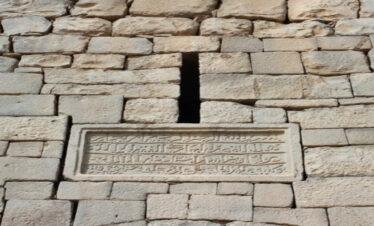
These structures are renowned for being some of the earliest examples of Islamic art and architecture, featuring a fascinating blend of Greco-Roman, Byzantine, and Persian influences.
Here are some of the most famous desert castles in Jordan:
Qusayr Amra
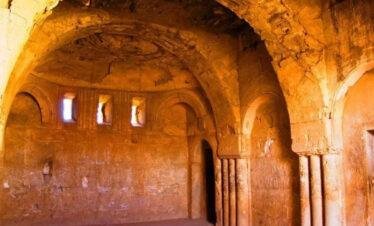
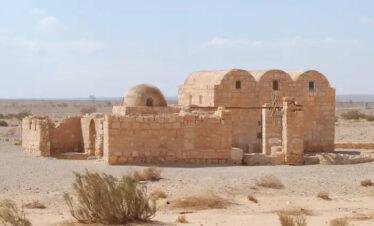
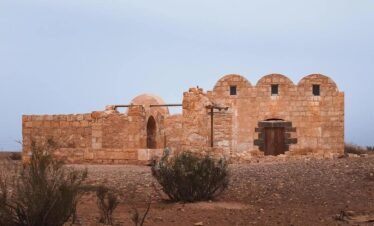
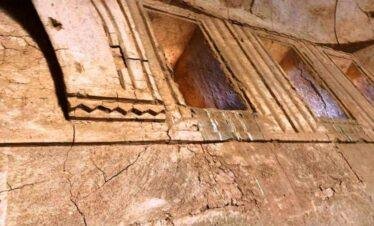
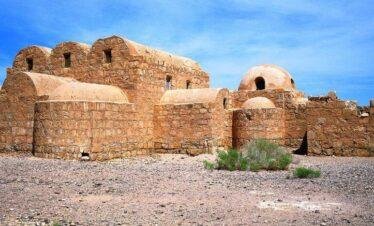
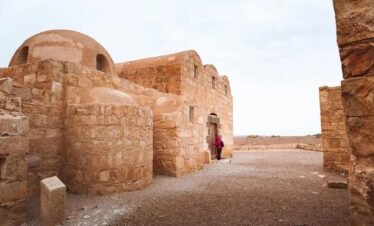
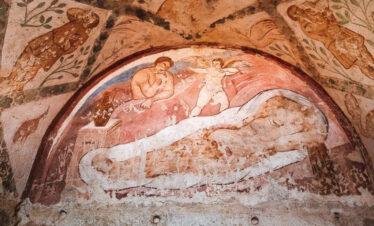
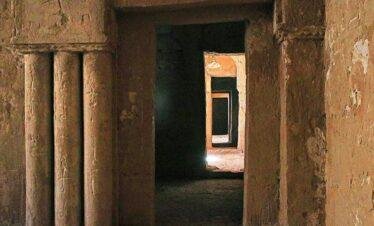
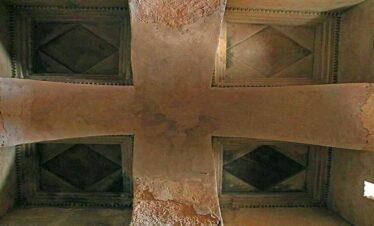
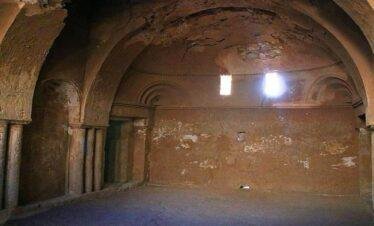
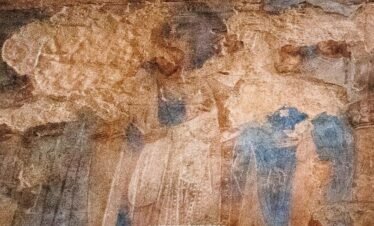
A UNESCO World Heritage Site, Qusayr Amra (meaning “small castle of Amra”) is arguably the most famous and significant of the desert castles. While unimposing from the outside, its interior is a masterpiece of early Islamic art. The walls and ceilings are covered with remarkably well-preserved frescoes and paintings depicting a wide range of subjects, including hunting scenes, bathing figures, and a unique depiction of the zodiac on the dome of its bathhouse. It is believed to have been a pleasure palace and bathhouse for the Umayyad Caliph Walid II.
Qasr Kharana
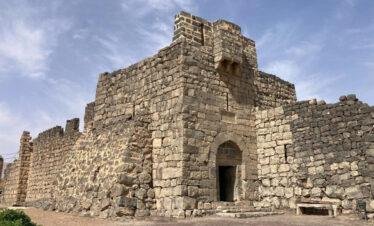
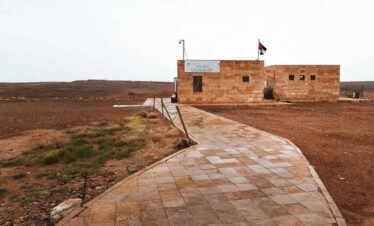
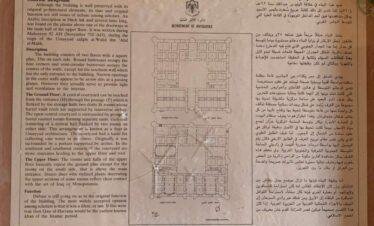
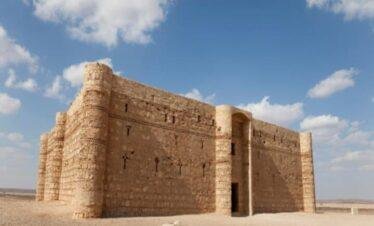
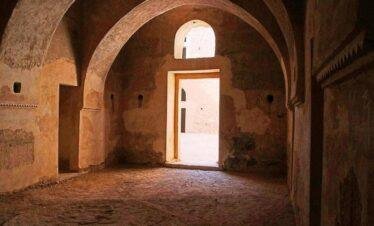
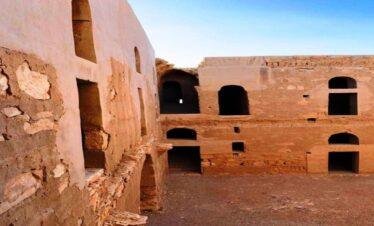
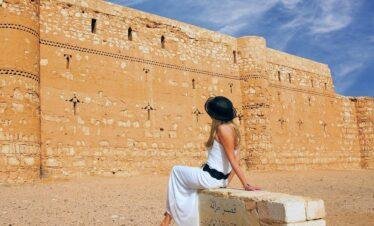
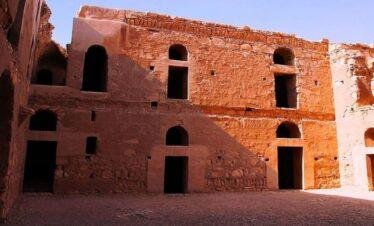
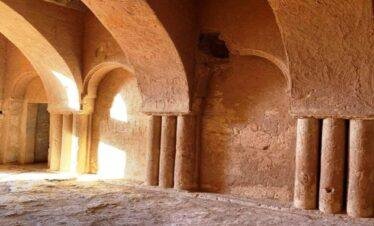
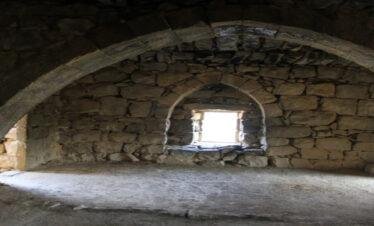
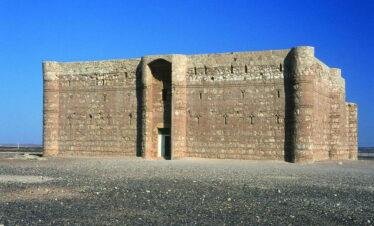
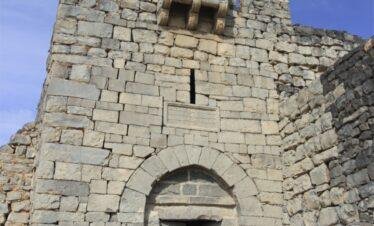
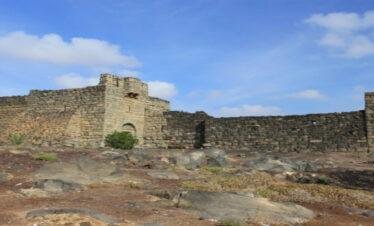
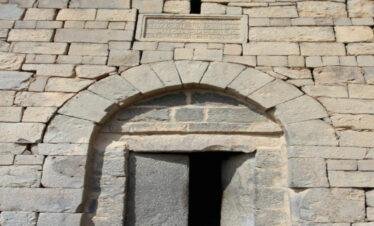
This is one of the most well-preserved and visually striking of the desert castles. Its imposing, fortress-like exterior, with massive walls and corner towers, makes it look like a formidable military structure. However, it’s believed to have served as a caravanserai or a meeting place for tribal leaders. The arrow-like slits in the walls are too narrow to have been used for archery and were likely designed for ventilation. The castle’s two-story layout features a central courtyard with rooms and suites on both levels.
Qasr Azraq
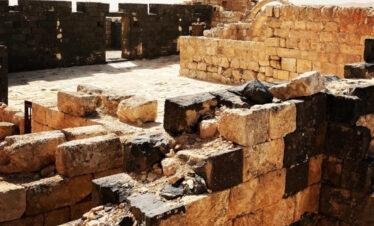
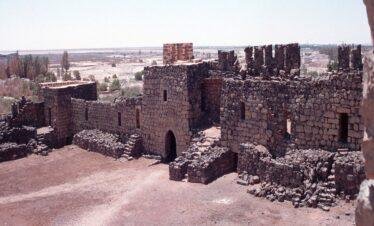
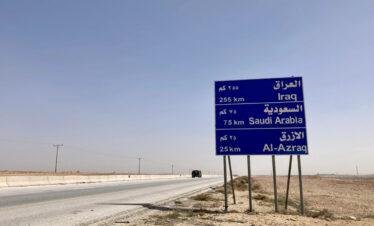
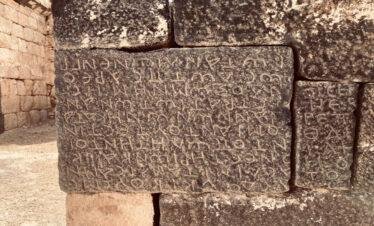
Located in the town of Azraq, this large fortress is unique because it’s built almost entirely from black basalt stone, giving it a distinctive appearance. Its strategic location near the only permanent water source in the eastern desert has made it a significant site for various civilizations, including the Romans and Byzantines. Qasr Azraq gained modern fame as the headquarters for T.E. Lawrence (Lawrence of Arabia) during the Great Arab Revolt of 1917-1918.
Qasr al-Hallabat
Originally a Roman fort, this site was later rebuilt and expanded by the Umayyads into a large, sophisticated complex. It includes a main palace, a mosque, and a bathhouse (Hammam al-Sarah). The site showcases the different architectural phases, with a mix of Roman and early Islamic elements. The Umayyad caliphs added elaborate mosaic floors and decorative stucco reliefs.
Hammam as-Sarkh
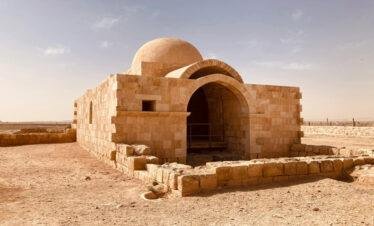
Situated about 2 kilometers from Qasr al-Hallabat, this is the bathhouse that was part of the larger Qasr al-Hallabat complex. It’s a well-preserved example of an Umayyad bathhouse with a domed hall and a hypocaust heating system.
Qasr al-Mshatta
While its intricately carved facade is now housed in the Pergamon Museum in Berlin, the ruins of this Umayyad palace can still be seen near Queen Alia International Airport. It was one of the grandest of the Umayyad palaces and a testament to the dynasty’s lavish architectural tastes.
Featured
Group Discount Info
Map
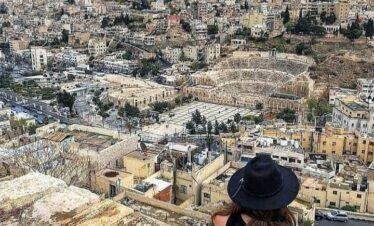
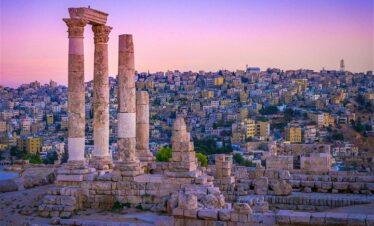
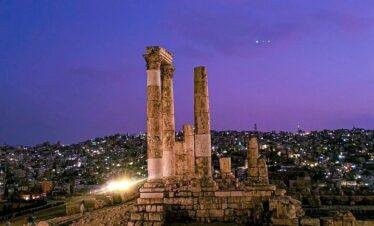
Combining Amman’s bustling history with the silent, majestic ruins of the Eastern Desert makes for a perfect full-day trip. This route takes you from the...
Duration 8 Hours
$57 Featured



Group Discount Info
Map
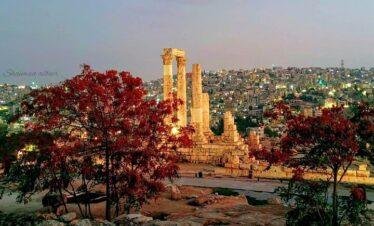
Embarking on a guided tour of Jordan’s Desert Castles is one of the most rewarding ways to experience these unique early Islamic masterpieces scattered across...
Duration 8 Hours
$43 
