- 5
- 2
- 24
- 3
R&H VIP SERVICES

Jordan’s Luxury Awaits
Send E-Mail About Us
R&H VIP Transportation Services A luxury transport & tour company based in Amman, Jordan. Services: • Airport & private aviation transfers • Point-to-point & hourly charters • Events, conferences & weddings • Private tours (Petra, Wadi Rum, Dead Sea, etc.) • Limousine services for special occasions Why Choose Us: • Modern fleet with Wi-Fi • Professional drivers • Custom itineraries & eco-friendly options • Added services: luggage handling, guided tours • Easy online booking & real-time tracking 🔝 Rated 4.9/5 on TripAdvisor for professionalism, comfort & reliability.
Gallery
Social Account
Search
People also search for:
R&H VIP SERVICES
Destinations:Madaba
Madaba
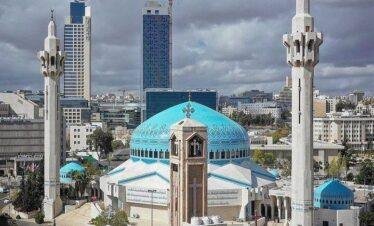
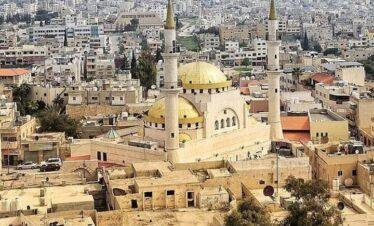
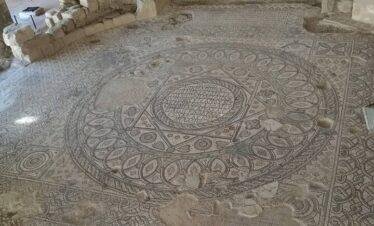
Madaba is an ancient city in Jordan, known as the “City of Mosaics.” It is located about 30 kilometers southwest of the capital, Amman.
Here are some key things to know about Madaba:
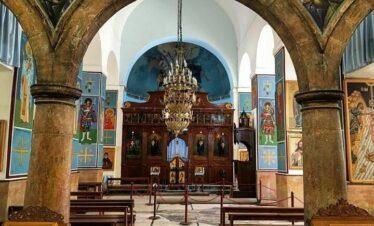
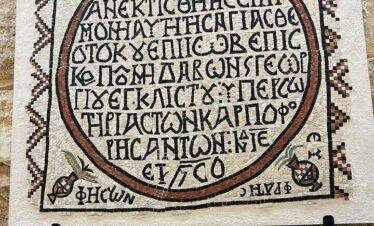
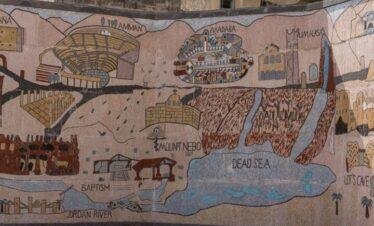
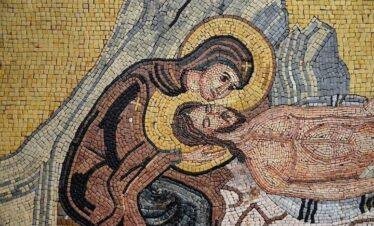
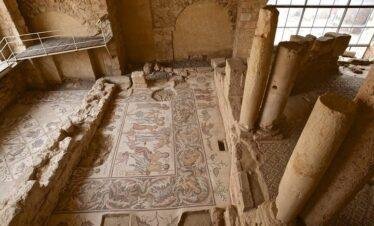
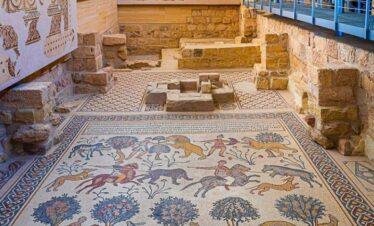
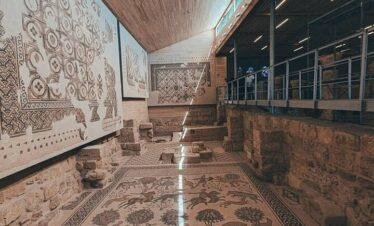
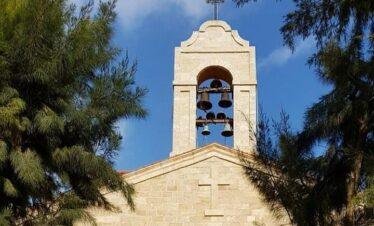
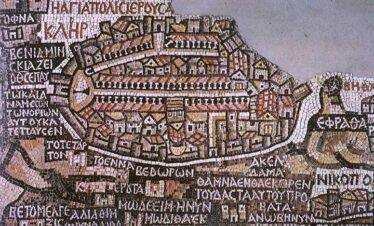
Mosaics: The city is famous for its large collection of Byzantine and Umayyad mosaics, many of which are remarkably well-preserved. The most renowned is the Madaba Mosaic Map, a 6th-century Byzantine mosaic map of the Holy Land. It is found on the floor of the Greek Orthodox Church of St. George. The map is a significant historical and cartographic artifact, showing the area from Lebanon to the Nile Delta.
Historical and Religious Significance: Madaba has a long history, dating back to the Middle Bronze Age. It is mentioned in the Bible as a Moabite city. During the Roman and Byzantine periods, it became a prosperous provincial city and later the seat of a bishopric. Today, it is a city with a strong tradition of religious tolerance, with a mix of Muslim and Christian inhabitants.
Attractions: Beyond the famous mosaic map, Madaba offers several other points of interest:
Madaba Archaeological Park: This park preserves a number of mosaics and artifacts from different historical periods.
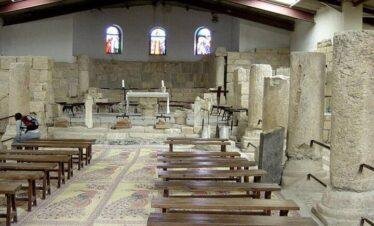
Church of the Virgin Mary: Located within the archaeological park, it features a rich mosaic floor.
Church of the Apostles: This Byzantine church, dating to 578 CE, is known for its detailed mosaic of the “Personification of the Sea.”
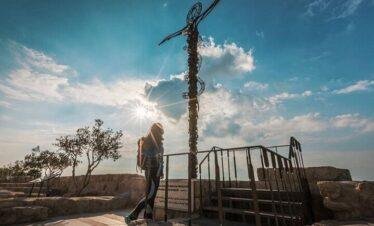
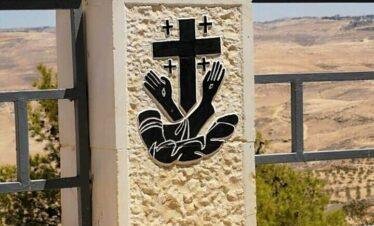
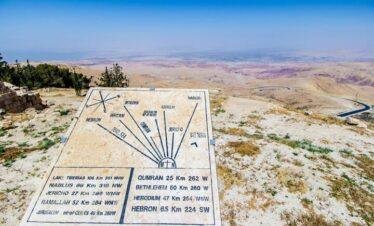
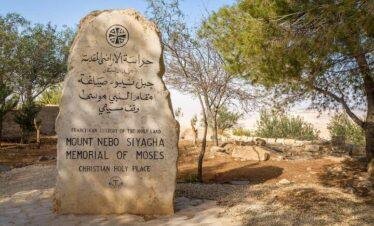
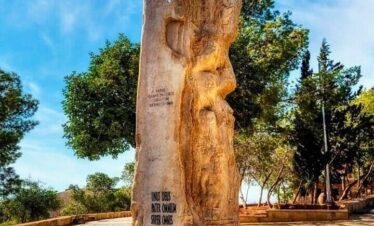
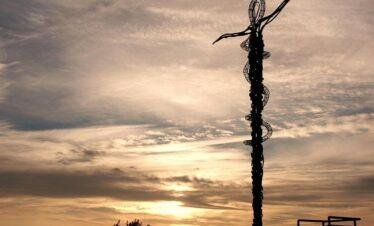
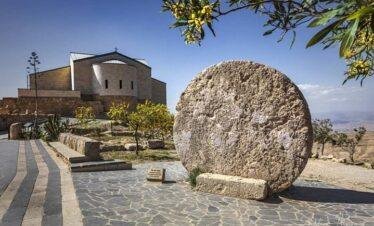
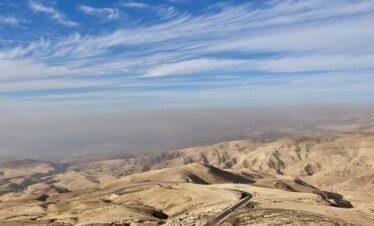
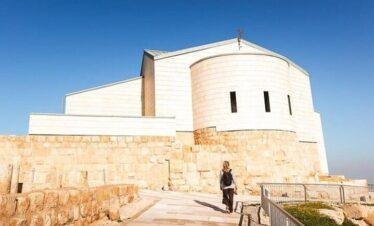
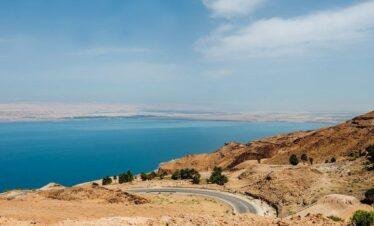
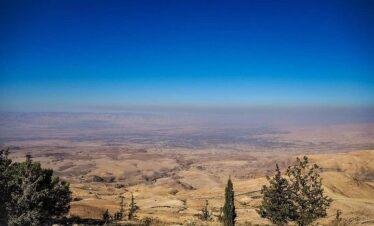
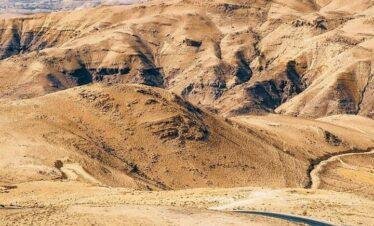
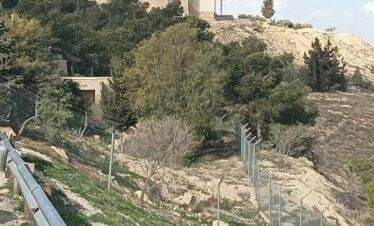
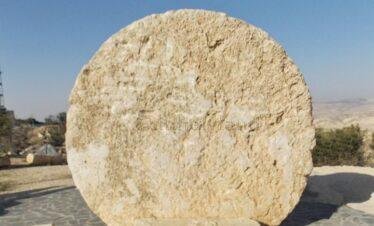
Mount Nebo: Located a short drive from Madaba, this biblical hill is believed to be the site where Moses viewed the Promised Land before his death. On a clear day, you can see the Jordan Valley, the Dead Sea, and even the towers of Jerusalem.
Culture and Economy: Madaba’s economy and culture are heavily influenced by its mosaics. The city has a thriving handicraft industry centered on mosaic art, with many workshops and the Madaba Institute for Mosaic Art and Restoration, which specializes in teaching mosaic conservation and production techniques.
Featured

Group Discount Info
Map
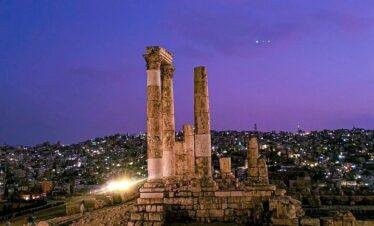
Discover Amman’s vibrant downtown, known as “Al-Balad,” before heading to Madaba to admire the famous mosaic map at St. George’s Church. Conclude your journey at...
Duration 8 Hours
$45 Featured

Group Discount Info
Map
Embark on an unforgettable tour of Madaba and Mount Nebo. Explore Madaba, renowned for its remarkable 6th-century Mosaic Map of Jerusalem and the Holy Land....
Duration 5 Hours
$30 Featured




Group Discount Info
Map
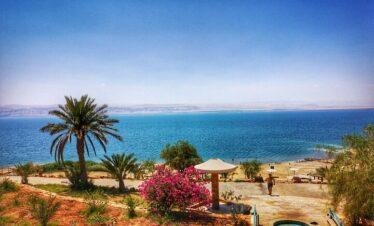
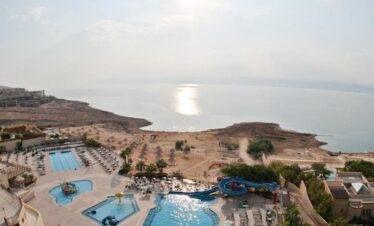
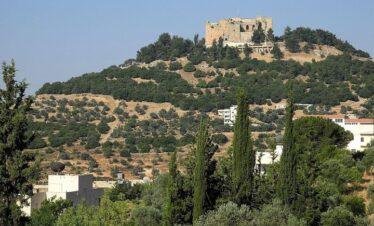
Embark on a day of wonder and discovery as you explore the ancient mosaics of Madaba, stand where Moses once gazed upon the Promised Land...
Duration 8 Hours
$40 Featured




Group Discount Info
Map
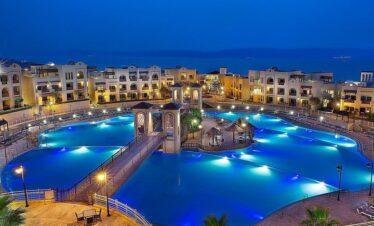
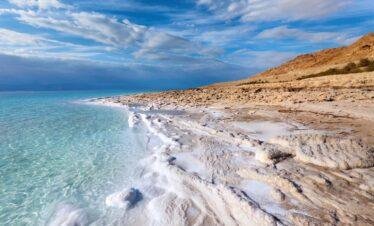
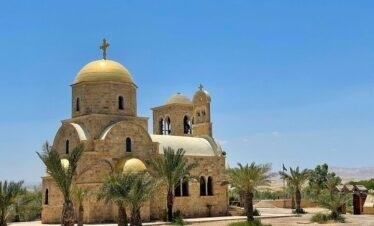
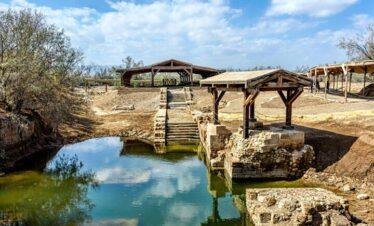
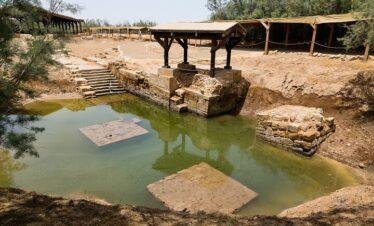
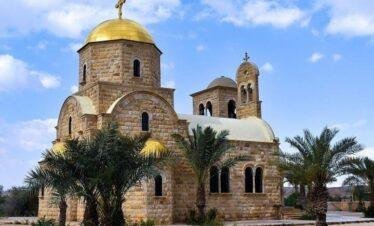
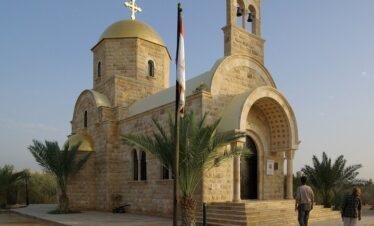
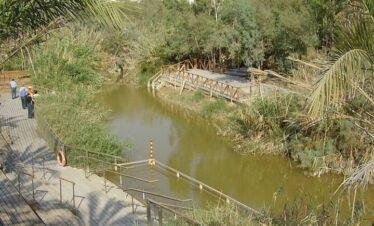
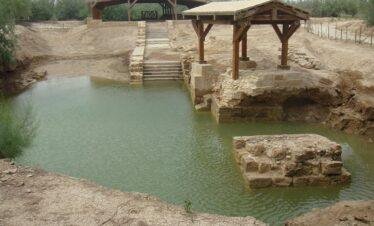
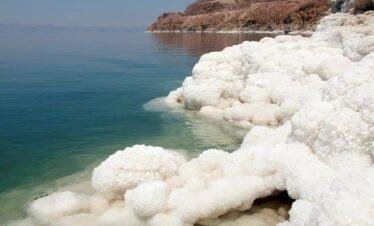
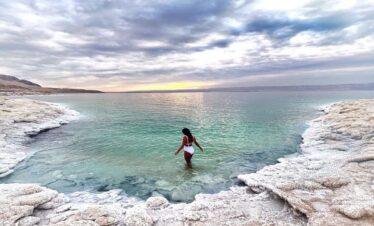
Discover some of Jordan’s most iconic religious and natural landmarks in one comfortable day trip from Amman. Visit the famous mosaic city of Madaba, explore...
Duration 8 Hours
$40 Featured
Group Discount Info
Map
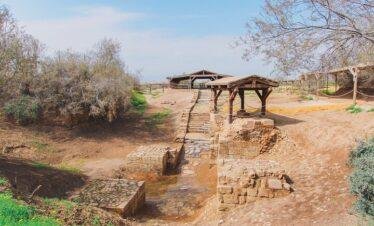
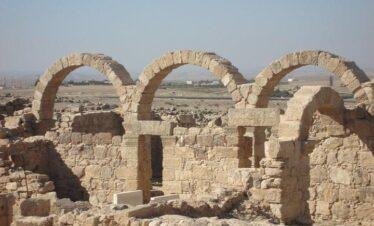
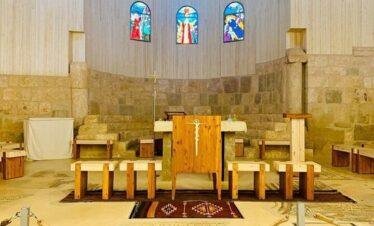
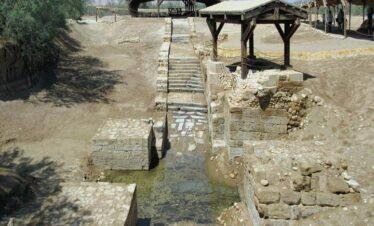
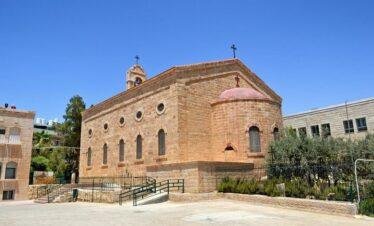
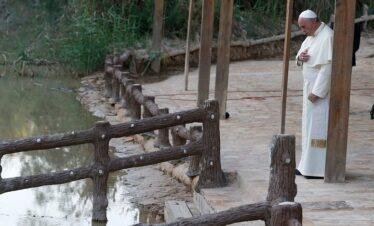
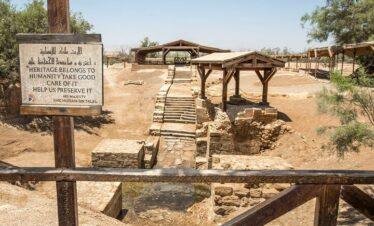
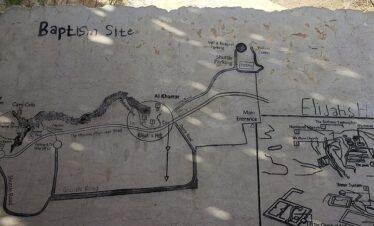
A day tour to Madaba, Mount Nebo, and the Baptism Site is a popular and convenient way to explore some of Jordan's most significant historical...
Duration 8 Hours
$43 
