- 3
- 26
- 7
- 1
- 4
R&H VIP Transportation Services

Jordan’s Luxury Awaits
Send E-Mail About Us
R&H VIP Transportation Services A luxury transport & tour company based in Amman, Jordan. Services: • Airport & private aviation transfers • Point-to-point & hourly charters • Events, conferences & weddings • Private tours (Petra, Wadi Rum, Dead Sea, etc.) • Limousine services for special occasions Why Choose Us: • Modern fleet with Wi-Fi • Professional drivers • Custom itineraries & eco-friendly options • Added services: luggage handling, guided tours • Easy online booking & real-time tracking 🔝 Rated 4.9/5 on TripAdvisor for professionalism, comfort & reliability.
Gallery
Social Account
Search
People also search for:
R&H VIP SERVICES
Destinations:Aqaba
Aqaba
Aqaba is a coastal city in Jordan, situated at the northeastern tip of the Red Sea. As Jordan’s only seaport, it is a crucial hub for trade and tourism, offering a unique blend of history and water-based activities.
Key Highlights
Diving and Snorkeling: Aqaba is most famous for its vibrant marine life and clear waters. The Gulf of Aqaba boasts some of the world’s most pristine coral reefs. Popular dive sites include the Japanese Gardens and the Cedar Pride Shipwreck, a purposely sunk vessel that has become a thriving artificial reef.
Beaches and Water Sports: The city’s beaches offer opportunities for relaxation and a wide range of water sports, including jet skiing, parasailing, and windsurfing. Glass-bottom boat tours are also popular for those who want to see the underwater world without getting wet.
Strategic Location: Aqaba serves as an excellent base for exploring some of Jordan’s most iconic sites. It’s a short drive from the breathtaking desert landscapes of Wadi Rum and the ancient Nabataean city of Petra, making it easy to combine a beach vacation with cultural and historical excursions.
Historical Significance
Aqaba has a long and storied history, dating back to 4000 BCE. Its location at the crossroads of trade routes between Asia, Africa, and Europe has made it an important port for centuries.
Ancient Ayla: The remains of the early Islamic city of Ayla, built around 650 CE, can be found in the heart of modern Aqaba.
Aqaba Castle (Mamluk Fort): This historic fortress, dating back to the 16th century, is famous for its role in the Great Arab Revolt during World War I, when it was captured by T.E. Lawrence (Lawrence of Arabia).
The Great Arab Revolt Flagpole: Standing at 130 meters, one of the tallest unsupported flagpoles in the world, it commemorates the Great Arab Revolt and is a prominent landmark in the city.
Economy
Aqaba is a major economic driver for Jordan, largely due to its designation as the Aqaba Special Economic Zone (ASEZ). This semi-autonomous zone operates with a streamlined, business-friendly environment and offers tax advantages to attract investment. The economy is primarily focused on:
Tourism: A significant portion of the city’s income comes from tourism, with a mix of beach resorts, historical sites, and adventure activities.
Logistics and Trade: As Jordan’s sole port, Aqaba handles almost all of the country’s imports and exports.
Best Time to Visit
The best time to visit Aqaba is during the spring (March to June) and autumn (September to November). During these months, the temperatures are pleasant and ideal for both water activities and land excursions. While Aqaba is a year-round destination, the summer months can be extremely hot, with temperatures often exceeding 40°C (104°F).
Featured

Group discount Available
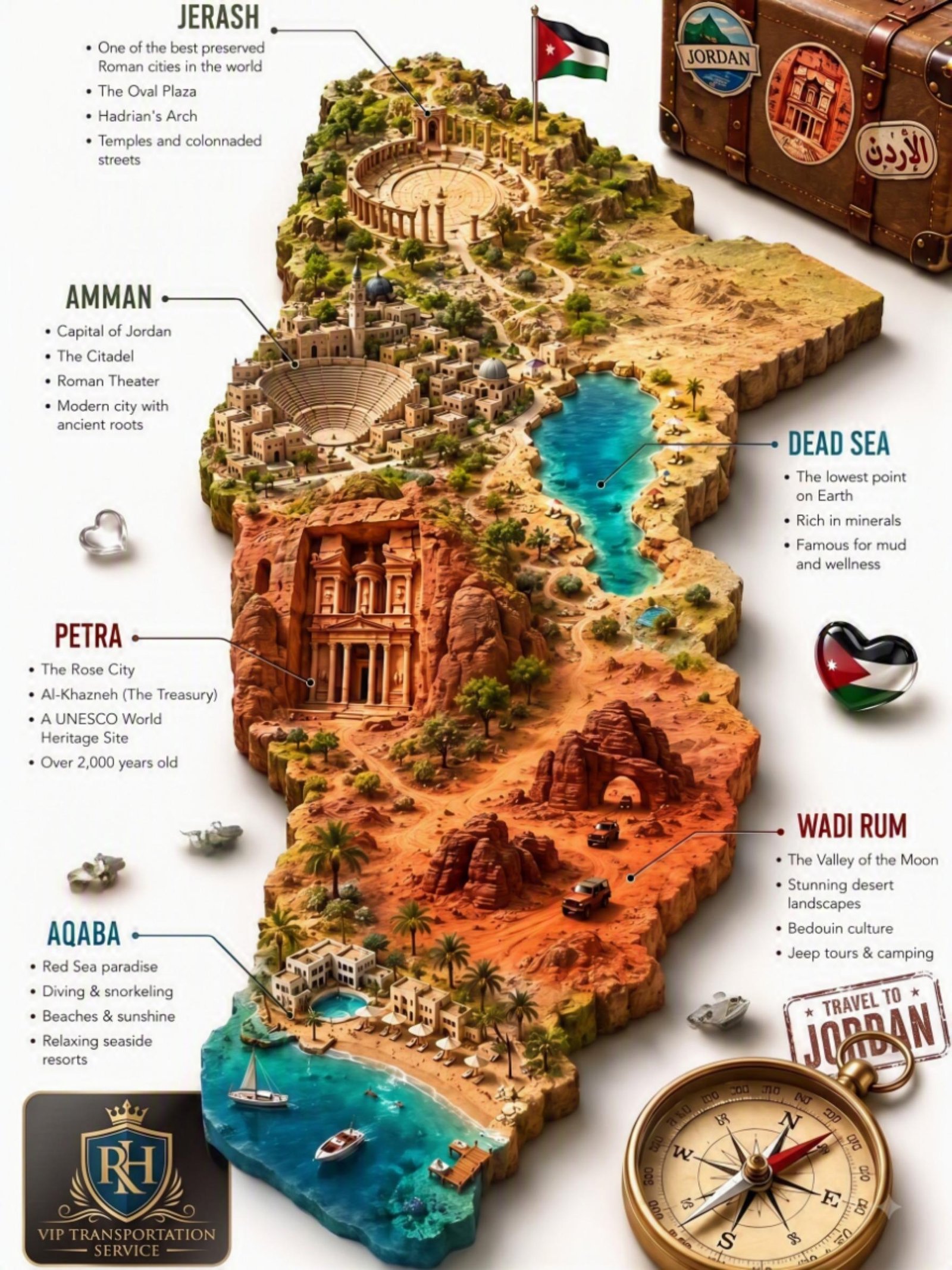
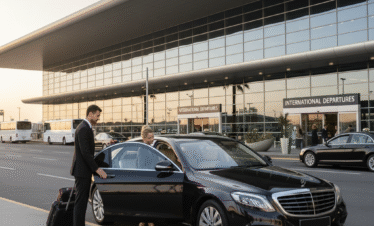
Elevate your Jordan adventure with a bespoke, VIP chauffeur service starting from Amman. Craft a 100% personalized itinerary with a dedicated local transport ambassador, whether...
Airport, Ajloun Castle, Amman, Aqaba, Baptism Site, Dead Sea, Desert Castles, Downtown, Jerash, Little Petra, Madaba, Mount Nebo, Petra, Shobak Castle, Umm Qais, Wadi Musa, Wadi Rum, Wetlands Easy 1-7 People
Duration 8 Hours
$35 Next Departures October 22, 2026 (Available)October 23, 2026 (Available)October 24, 2026 (Available)

